Skip to product information
1 of 1

NWSPEC

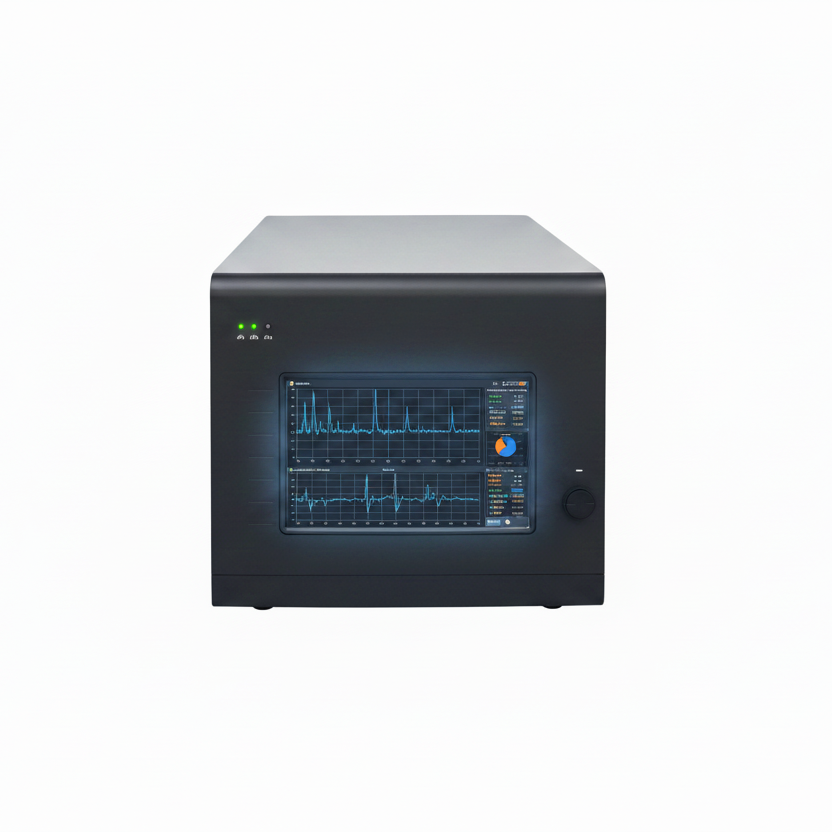
GC-MS for Electrocatalysis, Photocatalysis & Biomass Pyrolysis Research | GC-MS65

GC-MS for Electrocatalysis, Photocatalysis & Biomass Pyrolysis Research | GC-MS65

GC-MS65

GC-Coupled Mass Spectrometer for Catalysis & Biomass Research

1-300 amu | GC Interface | Catalysis Focused

Why GC-MS65 for Catalysis Research?

Catalysis and biomass research demands precise identification of reaction products, intermediates, and byproducts. The GC-MS65 combines chromatographic separation with a 1-300 amu mass range optimized for small-molecule analysis in electrocatalysis, photocatalysis, and thermochemical biomass conversion studies.

GC Separation

Resolves complex catalytic product mixtures

1-300 amu Range

Covers H₂ to C₂₀ compounds, pyrolysis products

Catalysis Ready

Gas/liquid sampling for reactor monitoring

Application Guide: Which Configuration Do You Need?

Select the appropriate GC-MS65 configuration based on your catalysis research focus. Each application requires specific inlet systems and mass range optimization.

Research Field Target Compounds Recommended Setup Mass Range Focus
Electrocatalysis
CO₂ reduction, HER, OER, fuel cells
H₂, O₂, CO, CO₂, CH₄, C₂H₄, C₂H₆, formate, methanol, ethanol Gas sampling valve + packed column (Porapak/Porapak Q) or PLOT column 1-100 amu
Permanent gases + light hydrocarbons
Photocatalysis
CO₂ photoreduction, pollutant degradation
CO, CH₃OH, HCHO, CH₃COCH₃, benzene derivatives, organic intermediates Headspace sampler + capillary column (DB-5/HP-5 ms) 15-200 amu
Liquid/volatile organics
Biomass Pyrolysis
Fast pyrolysis, catalytic upgrading
Levoglucosan, furans, phenols, guaiacols, syringols, aromatic hydrocarbons Pyrolyzer interface (CDS/Frontier) + capillary column 35-300 amu
Pyrolysis bio-oil components
Chemical Catalysis
Fischer-Tropsch, partial oxidation, reforming
C₁-C₂₀ hydrocarbons, alcohols, aldehydes, ketones, acids Online reactor sampling + dual-column setup 1-300 amu
Full range coverage

Technical Specifications for Catalysis Research

Mass Analyzer: Optimized for Small Molecules

The Specification

  • Hyperbolic quadrupole mass filter
  • 1-300 amu configurable mass range
  • 0.5–1 amu resolution
  • Unit mass resolution across full range

Catalysis Application Impact

The 1-300 amu range covers all critical catalysis products: from H₂ (2 amu) and CO (28 amu) in electrocatalytic CO₂ reduction, to levoglucosan (162 amu) in biomass pyrolysis, to C₁₂-C₂₀ hydrocarbons in Fischer-Tropsch synthesis. 0.5 amu resolution separates critical isobaric interferences like CO (28) / N₂ (28) / C₂H₄ (28) for accurate quantification.

Electrocatalysis Example: CO₂ reduction product analysis requires distinguishing CO₂ (44), CO (28), CH₄ (16), C₂H₄ (28), and C₂H₆ (30). The 0.5 amu resolution and flat-topped peak profiles ensure accurate quantification even with mass drift during long kinetic experiments.

GC Interface: Flexible Sample Introduction

The Specification

  • Standard GC column interface (capillary/packed)
  • Heated transfer line: 350°C max
  • Split/splitless injector options
  • Compatible with Pyrolyzer, Headspace, Gas valves

Catalysis Application Impact

Direct connection to catalytic reactors via gas sampling valves enables online monitoring of gas-phase products. For biomass pyrolysis, the 350°C transfer line prevents condensation of heavy pyrolytic vapors (phenols, anhydrosugars) before they reach the ion source.

Biomass Pyrolysis Critical: Levoglucosan (162 amu) and other anhydrosugars are primary cellulose pyrolysis markers. These compounds require heated transfer lines (>280°C) to prevent condensation and signal loss. Standard 150°C systems lose 40-60% of these critical biomass markers.

Ion Source & Vacuum: Clean Spectra for Complex Mixtures

The Specification

  • Dual-filament EI source (70 eV, NIST searchable)
  • Oil-free diaphragm + turbomolecular pump
  • Base pressure: 5×10⁻⁴ Pa
  • All-metal 200°C chamber construction

Catalysis Application Impact

Oil-free vacuum eliminates hydrocarbon background that interferes with low-concentration catalytic products. 70 eV EI provides NIST-library searchable spectra for unknown product identification in complex biomass pyrolysates or photocatalytic mixtures. Dual filaments enable continuous operation during long catalytic runs.

Photocatalysis Application: Photocatalytic CO₂ reduction produces trace quantities of C₁-C₃ oxygenates (methanol, ethanol, acetone) alongside unreacted CO₂. Oil-free vacuum ensures ppt-level detection limits without hydrocarbon background interference from pump oil.

Recommended System Configurations

Configuration A: Electrocatalysis & Photocatalysis System

GC Column: Porapak Q packed column (2m × 2mm) or HP-PLOT Q

Inlet: 6-port gas sampling valve (He carrier)

Mass Range: 1-100 amu (H₂ to C₆ hydrocarbons)

Detector: Faraday cup + electron multiplier

Capabilities: Online monitoring of electrocatalytic CO₂ reduction products (CO, CH₄, C₂H₄, C₂H₆). Real-time gas analysis from photocatalytic reactors. Quantification of H₂ evolution in water splitting. Detection of oxygenates (methanol, ethanol) via headspace sampling.

Configuration B: Biomass Pyrolysis & Catalytic Upgrading

GC Column: DB-5ms or HP-5ms capillary (30m × 0.25mm × 0.25μm)

Inlet: Pyrolyzer interface (CDS 5200 or Frontier EGA/PY-3030D)

Mass Range: 35-300 amu (C₃ to C₂₀)

Transfer Line: 350°C heated capillary

Capabilities: Py-GC/MS of biomass (cellulose, lignin, hemicellulose). Identification of levoglucosan, furans, phenols, guaiacols as pyrolysis markers. Catalytic fast pyrolysis (CFP) product analysis. Bio-oil characterization for catalytic upgrading studies. Co-pyrolysis of biomass-plastic mixtures.

Configuration C: General Chemical Catalysis

GC Column: Dual-column setup (PoraPLOT Q + DB-5ms)

Inlet: Split/splitless injector + gas sampling valve

Mass Range: 1-300 amu (full range)

Oven: Programmable 40-320°C

Capabilities: Fischer-Tropsch synthesis product distribution (C₁-C₂₀). Partial oxidation and reforming studies. Online reactor monitoring with automatic sampling. Full-range coverage for unknown product screening in complex catalytic mixtures.

Configure Your GC-MS65 System

Catalysis research requires careful matching of GC column chemistry, inlet type, and mass range to your specific application. Our applications engineers will configure the optimal system for your electrocatalysis, photocatalysis, or biomass research requirements.
Method development and sample analysis support available.

Delivery: 8-10 weeks ARO | Installation & training included | 12-month warranty | Application support

View full details
Since 1993 30+ Years of Instrument Expertise
Reliable Manufacturer Manufacturing & Services
Ph.D. Founded Dr. Pingxin Wang, UT Austin
Advantages Price · Service · Speed · Technical · Data
Fast Shipping In-Stock Orders Ship Same Day

Frequently Asked Questions

How can I contact you?

Feel free to call us T+86 189-6516-4839
or email  sales@nwspec.com to:

• Place an order
• Ask for a quote
• Or if you have any other questions

You will always get a live person here at NWSPEC; never an automated system! 

We are open from 6:00AM - 7:00PM Eastern Time, Monday - Friday. 

Where can I find application notes?

If you have any questions regarding the application notes, or can't find the one you are looking for, please contact Sales at sales@nwspec.com


Do you have instructional manuals for your instruments to download?

Yes, we have instructional manuals for our instruments. They can be found on https://nwspec.com/pages/resource .

If you don't see the one you are looking for, please contact: sales@nwspec.com


Contact form

Track Order

Please enter your tracking number below: